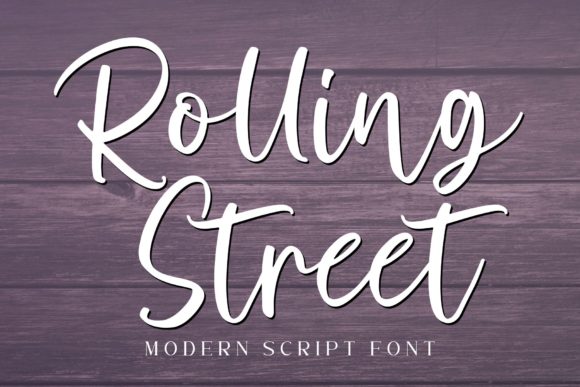
Rolling Street Font: A Maker’s Guide
There is a specific kind of quiet satisfaction that comes from watching a design come together on the screen, knowing it will soon exist in the physical world. Last Tuesday, I was finalizing the label design for a small batch of soy wax candles. I had the color palette sorted—soft sage greens and warm creams—but the typography felt stiff. The standard serif I usually reach for looked too formal, and the bold sans serifs felt too industrial for the gentle, floral scent profile I was aiming for. That was the moment I pulled up Rolling Street.
As soon as I typed out the scent name, the mood shifted. Rolling Street is a natural and flowing handwritten font that brings an immediate sense of ease and authenticity to a project. It doesn’t just sit on the page; it feels like it was written there by hand, with a relaxed rhythm that mimics the casual elegance of modern calligraphy without the intimidating learning curve. For crafters, handmade sellers, and printable creators, finding a typeface that balances professionalism with personal touch is often the hardest part of brand identity. This script font from Script Amp bridges that gap beautifully.
Bringing Warmth to Handmade Labels and Packaging
When you are running a small shop, every touchpoint matters. The tag on a tote bag, the sticker sealing a jewelry box, or the label on a homemade jam jar communicates your brand’s personality before the customer even interacts with the product. Rolling Street excels in these micro-moments of design. Its distinct and relaxed style adds a layer of perceived quality and care. It suggests that the item inside was made with love, not mass-produced in a factory.
I recently used this font for a set of boutique clothing tags. Because the font has a natural flow, it pairs exceptionally well with minimalist layouts. I kept the background clean and let the typography do the heavy lifting. The result was a label that felt high-end yet approachable. Whether you are designing packaging for seasonal products like holiday cookies or creating permanent branding for a skincare line, the organic curves of this handwritten font help soften the overall aesthetic. It invites the customer in, making the unboxing experience feel more intimate and special.
Ideal Uses for Wedding Stationery and Invitations
Wedding season is always a busy time for invitation designers and stationery makers. Couples are increasingly moving away from rigid, traditional formalities toward designs that reflect their genuine personalities. Rolling Street is a fantastic choice for wedding welcome boards, menu cards, and place settings. Its legibility is strong enough for guests to read easily, yet it retains the decorative flair expected in bridal typography.
For example, when designing a rustic-chic wedding invitation suite, I used Rolling Street for the couple’s names and the main header. The font’s natural variations in stroke width give it a dynamic look that static fonts often lack. It works particularly well for short phrases, names, and titles. However, for the body text containing the venue details and RSVP information, I paired it with a clean sans serif font. This contrast ensures that the critical information remains easy to read while the script font provides the emotional appeal and visual interest. This balance is key in editorial design and invitation layouts, where hierarchy guides the eye naturally.
Enhancing Digital Printables and Wall Art
Beyond physical goods, Rolling Street is a powerful asset for creators of digital downloads. Printable wall art, planner pages, and greeting card templates are huge markets for independent designers. The charm of this typeface lies in its versatility. It looks just as good on a digital mockup as it does printed on high-quality cardstock. I have used it to create inspirational quote prints for home offices, where the relaxed style helps convey a message of calm and creativity.
When creating digital assets, it is important to consider how the font renders on different screens. Rolling Street maintains its clarity and character even at smaller sizes, which is crucial for social media graphics and web design previews. If you are selling editable templates, this font allows your customers to easily customize their purchases without needing advanced design skills. The intuitive flow of the letters means that even if a buyer changes the text, the overall composition remains balanced and attractive. This ease of use can significantly boost customer satisfaction and reduce support queries for your shop.
Practical Tips for Cutting Machines and Merchandise
For those using Cricut or Silhouette machines, working with script fonts can sometimes be tricky due to connected letters and complex ligatures. Rolling Street is designed with these practical considerations in mind. The connections between letters are smooth and logical, which makes it easier to cut cleanly from vinyl or cardstock. When creating stickers or decals, I recommend testing a small sample first to ensure your blade depth is adjusted correctly for the finer details of the script.
This font also shines on merchandise like mugs, shirts, and tote bags. When applying heat transfer vinyl or sublimation prints, the boldness of the strokes holds up well against fabric textures. I recently designed a series of tote bags for a local farmer’s market, using Rolling Street for the vendor names. The font’s distinctive style helped each brand stand out while maintaining a cohesive look across the market’s signage. It is a creative font that adapts well to various materials, from paper to fabric to ceramic.
Pairing and Technical Considerations
To get the most out of Rolling Street, think about font pairing. While it stands beautifully on its own for logos and short headlines, it benefits from a supportive partner for longer text. A simple serif font can add a touch of classic elegance, while a modern sans serif keeps the design fresh and contemporary. Avoid pairing it with another overly decorative script, as this can create visual clutter and reduce readability.
Before launching any commercial product, always check the included styles, alternates, and ligatures. Many premium fonts offer swashes or alternate characters that can add unique flair to specific letters, helping you avoid repetition in longer words. Additionally, verify the file formats provided. Having access to OTF, TTF, and web font formats ensures you can use the typeface across print, digital, and web platforms seamlessly. Most importantly, review the commercial font licensing terms. Ensure your intended use, whether for physical goods, digital templates, or client work, is covered. Understanding these details protects your business and ensures you are respecting the intellectual property of the type designer.
In the end, choosing the right typeface is about more than just aesthetics; it is about communication. Rolling Street communicates warmth, authenticity, and a relaxed confidence. It is a tool that helps makers tell their story visually, turning simple products into memorable experiences. Whether you are labeling a candle, designing a wedding invite, or creating a digital printable, this font offers the perfect blend of style and substance for your creative projects.